


 changeadmin
The Nilgiri Tahr (Nilgiritragus hylocrius) is an endangered, stocky mountain goat with stout, curved horns that lives on the steep cliffs and high-altitude shola-grasslands of the Western Ghats.
The Nilgiri Tahr is Tamil Nadu’s state animal and widely considered the most iconic and unique species of the Nilgiri Biosphere Reserve.
Located within the Western Ghats, the Nilgiri Biosphere Reserve is a globally significant biodiversity hotspot spanning three Indian states: Tamil Nadu, Kerala, and Karnataka.
Spanning approximately 5,52,000 hectares, it encompasses tropical evergreen forests, montane shola forests and grasslands. This diverse landscape supports rich biodiversity, including endemic and threatened species.
In 2000, Nilgiri Biosphere Reserve became the first Indian entrant in UNESCO’s World Network of Biosphere Reserves. Since then, India has added 12 more Biosphere Reserves to the list.
Overall, 18 Biosphere Reserves in India protect natural habitats, maintain ecological balance, and promote the sustainable use of biological resources.
India’s Biosphere Reserve Network
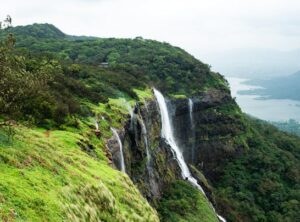
As one of the world’s 17 mega-biodiverse countries, India accounts for approximately 7–8% of recorded species worldwide, while it occupies only 2.4% of Earth’s land area.
Through its network of biosphere reserves, India seeks to strengthen ecological resilience and promote sustainable livelihoods.
India leads in promoting and managing Biosphere Reserves, demonstrating its commitment to conserving biodiversity and advancing sustainable ecosystem practices.
India’s Biosphere Reserve network represents its varied ecosystems and diverse ecological heritage.
According to the Ministry of Environment, Forest and Climate Change (MoEFCC), the country has 18 notified Biosphere Reserves, 13 of which belong to UNESCO’s World Network of Biosphere Reserves (WNBR).
This represents the highest number of internationally recognised biosphere reserves in South Asia.
|
Name |
Year of Designation |
Year of Inclusion in WNBR |
States |
Area (sq. km) |
| Nilgiri* | 1986 |
2000 |
Tamil Nadu, Kerala and Karnataka | 5,520 |
|
Nanda Devi* |
1988 |
2004 |
Uttarakhand | 6,407.03 |
| Nokrek* |
1988 |
2009 | Meghalaya | 820 |
|
Gulf of Mannar* |
1989 | 2001 | Tamil Nadu | 10,500 |
|
Sundarbans* |
1989 |
2001 |
West Bengal |
9,630 |
| Manas | 1989 | — | Assam | 2,837 |
| Great Nicobar* | 1989 | 2013 | Andaman and Nicobar Islands | 885 |
| Similipal* | 1994 | 2009 | Odisha | 5,569 |
| Dibru-Saikhowa | 1997 | — | Assam | 765 |
| Dehang-Dibang | 1998 |
— |
Arunachal Pradesh | 5,111.50 |
| Pachmarhi* | 1999 | 2009 | Madhya Pradesh | 4,981.72 |
| Khangchendzonga* | 2000 | 2018 | Sikkim | 2,931.12 |
| Agasthyamalai* | 2001 | 2016 | Kerala and Tamil Nadu | 3,500 |
|
Achanakmar-Amarkantak* |
2005 |
2012 |
Madhya Pradesh and Chhattisgarh | 3,835.46 |
| Great Rann of Kutch | 2008 |
— |
Gujarat | 12,454 |
| Cold Desert* | 2009 | 2025 |
Himachal Pradesh |
7,770 |
| Seshachalam | 2010 | — |
Andhra Pradesh |
4,755.58 |
| Panna* | 2011 | 2020 | Madhya Pradesh | 2,998.98 |
Note: An (*) indicates Biosphere Reserves included in UNESCO’s World Network of Biosphere Reserves (WNBR).
Alongside this growing network, India has established a dedicated programme to manage and conserve these ecologically significant areas.
The Biosphere Reserve division of the Ministry of Environment, Forest & Climate Change administers a Centrally Sponsored Scheme namely ‘Biodiversity Conservation’ scheme, which is a sub-scheme under umbrella scheme ‘Conservation of Natural Resources and Ecosystems’.
Under the scheme, the Division supports Biosphere Reserves (designated under the framework of UNESCO’s Man and the Biosphere Programme) by providing grants-in-aid to the States where the Biosphere Reserves are located for conservation and development activities as specified in their Management Plan.
The implementation of this scheme is undertaken by the State Forest Departments. Thus, the Ministry provides grants-in-aid to the States on a cost-sharing basis, i.e., 60:40 (Central: State) for other States and 90:10 (Central: State) for North Eastern and Himalayan States.
Since 2022–23, the Ministry has piloted five-year Integrated Management Plans for four reserves: Nanda Devi (Uttarakhand), Pachmarhi (Madhya Pradesh), Dehang-Dibang (Arunachal Pradesh) and Agasthyamalai (Kerala & Tamil Nadu).
These plans bring reserve authorities, research institutions and local communities together. Their priorities include habitat restoration, biodiversity monitoring, scientific research and sustainable livelihoods.
Wrapping Up
From mountain forests to mangrove deltas, coral reefs, and high-altitude deserts, Biosphere Reserves in India harbour extraordinary life.
India’s Biosphere Reserves offer a promising model for a future where nature and people thrive together.
Continued investment in scientific research, habitat restoration and community-led conservation can preserve their ecological richness.
By combining traditional knowledge with modern monitoring, biosphere reserves in India can support resilient ecosystems and sustainable livelihoods.
Strong partnerships among governments, researchers, local communities and international organisations will help these landscapes flourish.
Ultimately, Biosphere Reserves can demonstrate how protecting nature also enriches lives, safeguards cultural heritage and secures a healthier future for generations to come.






Add comment