


 changeadmin
Scroll through Instagram, YouTube or TikTok long enough, and shopping can start to feel less like a choice and more like everyday life.
A skincare routine features ten products. A “what I bought this month” video reveals another pile of clothes.
A creator recommends a new water bottle, supplement, perfume, gadget or home accessory, only for another “must-have” to appear the following day.
Not every recommendation on social media is problematic. The concern lies in the wider culture that develops when consumers are repeatedly exposed to content that links novelty, abundance, and lifestyle aspirations to buying more.
Purchase decisions are often driven by social comparison, fear of missing out (FOMO), short-term trends, the desire to imitate influencers, and impulse buying.
This arrangement has contributed to what can be described as the influencer overconsumption trend, a pattern in which influencer content can normalise frequent or unnecessary purchases by presenting products as essential to achieving a particular lifestyle.
When Inspiration Turns into Overconsumption
A conventional advertisement clearly tells consumers a product is for sale.
Influencer content, however, can weave the same message into a morning routine, travel vlog, “get ready with me” video or casual conversation.
The product becomes part of a story rather than appearing as a standalone sales pitch, making consumption feel like a natural part of everyday life.
This can create a feedback loop in which purchases generate content, content attracts engagement, and that engagement can encourage further buying.
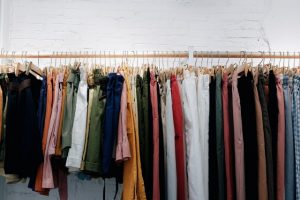
Fashion is particularly exposed to this cycle. A garment may become desirable after an influencer presents it as fashionable, only to be replaced by another aesthetic soon afterwards.
The trend-driven pieces may be worn only once or a few times before being discarded, particularly when they come from fast-fashion platforms that produce inexpensive clothing at speed.
In this environment, keeping up with the latest look can encourage repeated purchases as trends move from one aesthetic to the next.
Beyond fashion, social media increasingly frames self-care through products, from skincare and haircare to candles, bath products, supplements, and specialised drinks.
A 2025 study cited in the material examined 370 female social-media users in India who followed self-care influencers.
It found that exposure to this content, together with perceived authenticity and parasocial relationships, could encourage imitation and contribute to unsustainable consumption behaviour.
This shows how the pressure to consume can extend beyond clothing and appearance, becoming embedded in how everyday wellbeing and self-care are presented online.
The Environmental Impact of Influencer Overconsumption
Overconsumption does not end when a purchase is made; it has an environmental impact that accelerates climate breakdown and resource depletion.
Every product requires raw materials, energy, water, manufacturing and transportation before it reaches the consumer.
When people buy products because they are new, trending, or presented as essential, these resources support items with a limited lifespan.
Once they are no longer wanted, they enter waste streams, extending the environmental impact beyond the moment of purchase.
Promotional strategies followed by brands and companies add another layer to this problem.
Brands send influencers products to promote, sometimes in quantities that exceed what creators can realistically use.
Influencers accumulate products, including items they will not use and may eventually discard.
What begins as a promotional strategy can therefore contribute to a cycle in which products are manufactured, packaged and transported without necessarily being used to their full potential.
The consequences also extend beyond individual products; plastic waste can persist for hundreds of years and break down into microplastics.
This makes the environmental cost of influencer overconsumption larger than the waste generated by a single unwanted purchase.
When repeated buying becomes normalised, the cumulative demand for products and the waste they generate can place additional pressure on already strained environmental systems.
More Than an Influencer Problem
Influencer-driven consumption operates within a larger system involving brands, advertising, social-media platforms and consumer demand.
Many content creators and influencers receive products, paid partnerships or other financial incentives to promote brands.
Some creators buy fake followers, bots, or automated likes to artificially inflate their numbers, tricking not just customers but also brands.
This makes it important for audiences to understand the commercial context behind recommendations.
A sponsored post doesn’t automatically mean a product is unsuitable, but viewers can look for disclosures and seek reviews from people who aren’t paid by the brand.
So researching both the content creator and the company can give you a clearer picture before you buy and avoid influencer overconsumption.
How to Avoid Influencer Culture
Social media has made consumption more visible, persuasive and difficult to separate from aspiration.
De-influencing and underconsumption offer a counterpoint by questioning unnecessary purchases and encouraging people to make better use of what they already own.
But even “buy less” can become another trend if people follow it without reflection.
Several practical steps can help interrupt impulse buying and avoid the trap of influencer overconsumption.
- Waiting a few days before buying lets the initial excitement fade.
- Checking whether you already have a similar product at home can prevent duplication, particularly with clothing and makeup.
- Budgeting and separating wants from needs can clarify priorities.
- Borrowing and renting an item before buying it can also reveal whether it is genuinely useful.
- Asking friends or family who already own a trending product can provide an opinion beyond influencer promotion.
- Limiting haul and shopping videos is another direct way to reduce exposure to content that encourages unnecessary purchases.
- Avoiding fast fashion and choosing durable, versatile clothing can reduce the tendency to replace items as microtrends change.
Know more about the benefits of clean makeup. Read.
Learn tips to create a sustainable wardrobe. Read.
Understanding What We Need
While influencer marketing has made it easier than ever to discover products, it has also made it easier to confuse discovery with necessity.
The challenge isn’t to reject influencers, shopping, or social media altogether.
Influencers can introduce people to useful products, independent businesses, sustainable alternatives and important ideas.
The problem begins when constant exposure to consumption makes buying the default response to boredom, insecurity, aspiration, or social pressure.
A more sustainable digital culture would not necessarily ask people to stop buying. It would encourage them to buy with intention.
Understanding the environmental impact of influencer-driven consumption and choosing prudence over promotion can help us decide wisely.
Sustainability is not simply about choosing a greener product every time we shop. Sometimes, the more sustainable product is the one already sitting at home.
In a digital world designed to keep telling us what to buy next, learning to recognise when we already have enough may be one of the most important forms of influence we can practise.





Add comment