

 changeadmin
India’s Minister of Health & Family Welfare, Mr Prataprao Jadhav, welcomed the Delhi Government’s ambitious initiative to expand green cover through large-scale plantation and conservation of the Delhi Ridge ecosystem.
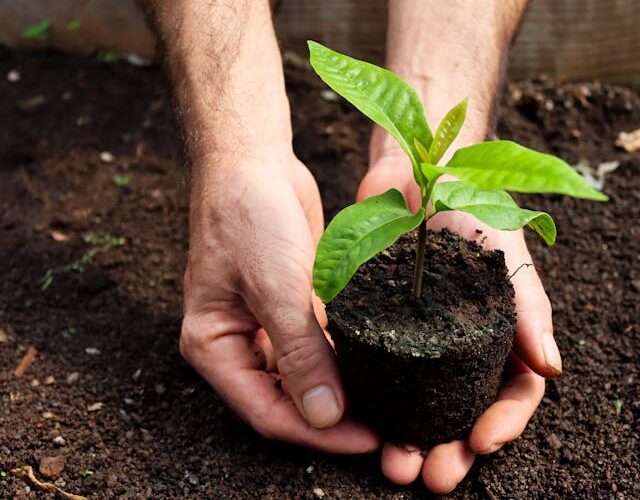
Earlier this month, the Delhi government launched the Delhi Ridge Rejuvenation Campaign, which aims to plant 7 million (70 lacs) trees.
In a letter addressed to the Chief Minister of Delhi, Mr Rekha Gupta, Minister Prataprao Jadhav described the initiative as a significant step towards environmental conservation and sustainable urban development.
Mr Prataprao Jadhav, along with the Minister of State for Health & Family Welfare, is also a Minister of State for Ayush, responsible for education, research, and propagation of traditional and alternative medicine systems in India.
In his letter, Mr Prataprao Jadhav commended the proposed plantation of over 70 lakh indigenous and climate-resilient trees, the development of more than 70 water bodies, and the notification of nearly 6,000 hectares of land as forest area, describing these measures as a significant step towards strengthening Delhi’s ecological security and improving urban air quality.
The Minister particularly welcomed the proposal to replace invasive species such as Vilayati Kikar and Babool with indigenous species, including Peepal, Banyan, Neem, Arjun, and Jamun, noting that the initiative would transform the Ridge into the “lungs of Delhi” and create a healthier, greener urban environment for future generations.
Highlighting the need to integrate environmental conservation with public health and traditional medicine systems, Mr Jadhav suggested that at least 20 per cent of the plantation in the proposed eight forests be devoted to medicinal plant species, or alternatively, that a minimum of two forests be developed as dedicated Medicinal Forests (Aushadhi Vans).
The Minister stated that such medicinal forests would help create a sustainable source of high-quality raw materials for the Ayush sector, promote biodiversity conservation, strengthen ecological restoration efforts, and encourage eco-tourism in the National Capital Region.
Mr Jadhav also shared an indicative list of medicinal plant species suitable for cultivation in Delhi’s agro-climatic conditions with the Chief Minister.
The suggested species include Ashwagandha, Giloy, Tulsi, Brahmi, Shatavari, Amla, Arjun, Ashok, Neem, Bel and Jamun, among others.
Reiterating the Ministry of Ayush’s commitment towards promoting medicinal plants and sustainable healthcare ecosystems, Mr Jadhav expressed confidence that the proposed initiative would serve as a model for integrating urban afforestation with India’s traditional systems of medicine and environmental stewardship.



Add comment