

 changeadmin
Driven by the vision of Swachh Bharat Mission-Urban 2.0, Madanapalle Municipality is reshaping urban sanitation through scientific waste management and sustainable resource recovery.
Madanapalle Municipality in Andhra Pradesh is strengthening its urban sanitation and solid waste management systems through scientific and sustainable practices.
In response to rapid urban growth and increasing waste generation, the municipality has adopted a structured and integrated approach focused on waste segregation, scientific processing and resource recovery, with the objective of developing Madanapalle into a ‘Zero Waste City.’
Madanapalle generates approximately 62 TPD of municipal solid waste, including 25.50 TPD of dry waste, 36 TPD of wet waste and 0.50 TPD of domestic hazardous waste.
To ensure efficient management of this waste stream, a systematic source-segregation mechanism has been implemented throughout the town.
Waste is categorised into biodegradable, non-biodegradable, and upcycled waste, facilitating scientific processing, improved recycling practices, and environmentally sustainable disposal in alignment with the objectives of SBM-U 2.0.
A major focus area for the municipality has been scientific management of biodegradable waste through decentralised and sustainable practices.
Bulk Waste Generators are being encouraged to establish on-site composting systems, while citizens are adopting home composting and terrace gardening to manage wet waste at source.
Every day, nearly 15.50 tonnes of wet waste is processed through windrow composting at the municipal compost yard, generating around 4.65 tonnes of compost used for parks, plantations, and gardening activities across the town.
Additionally, around 3 tonnes of wet waste is processed daily through vermi composting, producing nearly 1.20 tonnes of nutrient-rich compost, further reducing landfill burden and promoting sustainable waste utilisation.
Dry waste generated in the town is systematically segregated into recyclable and non-recyclable categories at the doorstep level. Recyclable materials are sent to the Material Recovery Facility (MRF), where they are processed and channelled to authorised recycling units for resource recovery.
Non-recyclable waste is transported to cement factories for co-processing. This initiative not only improves the efficiency of waste utilisation but also helps generate additional revenue for the municipality.
By ensuring proper segregation at source, Madanapalle has enhanced the calorific value of recyclable waste and minimised the quantity of mixed waste reaching disposal sites.
Through door-to-door collection drives and the operational Reduce, Reuse and Recycle (RRR) Centre, the municipality collects items such as e-waste, old clothes, toys, books, and footwear.
These materials are repaired, reused, or redistributed among slum communities, homeless individuals, and old age homes.
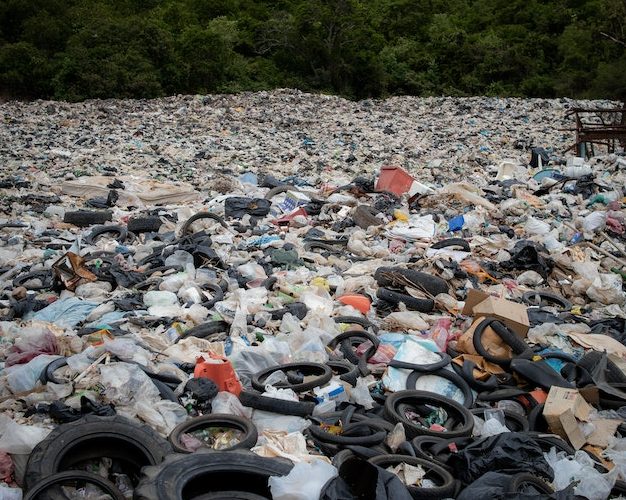
Madanapalle has successfully remediated nearly 36,512 metric tonnes of legacy waste through bio-mining and bio-remediation, reclaiming around 9.40 acres of land.
Nearly 5 acres of the reclaimed area have been developed through plantation activities, transforming former dumpsites into green urban spaces.
Recovered materials, such as Refuse-Derived Fuel (RDF), are being sent to cement plants for co-processing, while soil and inert materials are being reused to fill low-lying areas, thereby promoting scientific waste utilisation and environmental improvement.
Wall paintings and murals promoting cleanliness, waste segregation, and hygiene have transformed public spaces into vibrant platforms for awareness.
The Waste-to-Art Park at NVR Layout stands as a symbol of innovation and sustainability, showcasing how discarded materials can be creatively repurposed into functional and aesthetic public installations.
Aligned with the vision of the Swachh Bharat Mission-Urban 2.0, Madanapalle is steadily progressing towards becoming a Zero-Dump and Zero-Littering City through strong administrative leadership, scientific waste management systems, and active community participation.
The municipality’s integrated approach—encompassing composting, recycling, upcycling, biomining, legacy waste remediation, and citizen engagement—demonstrates how urban local bodies can build sustainable and environmentally responsible cities.


Add comment