

 changeadmin
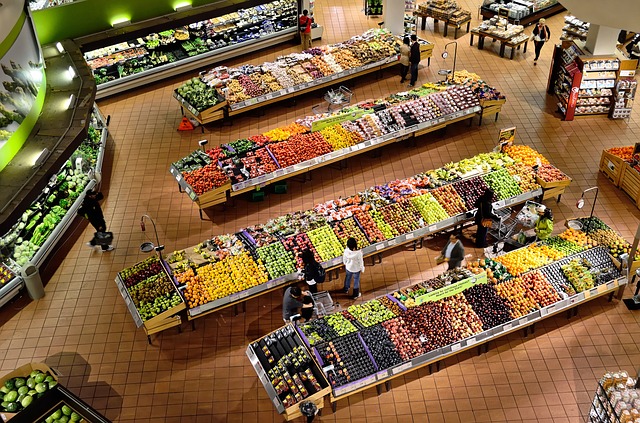
Walk into a supermarket or open an online grocery delivery platform, and you will often find two versions of the same food sitting side by side.
One is conventionally produced and relatively easy on the wallet. The other carries an organic label — and a noticeably higher price tag.
Sample this: 1 Kg Tomato for Rs 50 and Organic Tomato for Rs 55. The difference can make anyone pause. If an organic tomato looks like an ordinary tomato, why pay more for it?
Organic tomato costs more partly because it is produced through a different agricultural system, one that can demand more labour, stricter oversight, specialised inputs and, in some cases, more land.
But does that higher cost translate into better health, a healthier planet or simply a more expensive shopping basket?
The answer is more nuanced. Let us explore in detail.
Why Do Organic Foods Cost More?
Organic farming places greater emphasis on practices such as crop rotation, composting, natural nutrient management and biological pest control, while restricting the use of synthetic pesticides and fertilisers.
These methods require planning and monitoring long before the food reaches the supermarket shelf. Labour is one of the highest costs.
A conventional farmer may use chemical herbicides to control weeds quickly across large fields.
Organic farmers often have to rely on mechanical or manual weed control, crop monitoring, soil management and other labour-intensive techniques.
Pest management can also involve crop rotation, cover crops and beneficial insects rather than simply reaching for a synthetic pesticide.
Organic farming can also produce lower yields in some circumstances. When fewer units of food are produced from a given area, cultivation costs must be spread across fewer products, pushing up the price per kilogram or packet.
Organic seeds, compost and approved pest-control inputs can add further costs.
Here is a video elucidating the importance and benefits of Organic Farming.
The Price of the Organic Seal
Another cost consumers rarely see is certification.
An organic label is intended to provide assurance that a product has been produced according to recognised standards.
Maintaining that status can involve farm inspections, documentation, audits, compliance monitoring and quality verification.
For farmers, this means additional administrative work and expense. The certification process therefore becomes part of the final price consumers pay.
For buyers, the label offers more than the food itself: traceability and confidence in how it was produced.
What Are You Really Paying For?
Organic farming is built around the idea that agricultural productivity should not come at the expense of the systems that make farming possible.
Soil health, biodiversity, water quality and long-term resource management are therefore central to the approach.
Practices such as composting, crop rotation and cover cropping can help build soil organic matter and support healthier soil ecosystems.
Organic farming can also reduce dependence on synthetic nitrogen fertilisers, which are associated with nutrient runoff and environmental pollution.
Biodiversity is another important consideration. Organic farms can provide more favourable conditions for a range of plants, insects and other organisms.
So perhaps the organic premium is not simply the price of a different carrot or a different carton of milk. It can also represent an investment in how food is produced.
But Organic Does Not Mean Chemical-Free
One myth worth clearing up is that organic food is not pesticide-free.
Organic farming allows certain naturally derived and other approved substances to control pests and diseases. And natural does not automatically mean harmless.
The important distinction is that organic standards restrict which inputs can be used rather than eliminating chemicals altogether.
This distinction matters because consumers deserve to make choices based on facts rather than marketing assumptions.
Is Organic Food Actually Healthier?
Some studies have reported higher concentrations of certain antioxidants and modest differences in some micronutrients in organic produce.
Organic foods also tend to have fewer detectable residues of certain synthetic pesticides. However, research has not consistently found major nutritional differences across all foods.
Long-term health research is similarly complex.
Some studies have associated organic consumption with certain positive health outcomes, but people who choose organic food also tend to have other health-conscious habits, such as eating more fruits and vegetables.
This makes it difficult to determine how much of the observed benefit comes specifically from organic food.
Is Organic Better for the Planet Then?
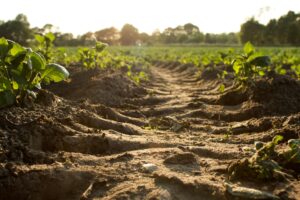
Organic agriculture has several environmental advantages. It can reduce chemical runoff, support biodiversity, build soil organic matter and reduce reliance on synthetic fertilisers.
Healthy soils can also store carbon and improve resilience against erosion and extreme weather.
But there is an important catch: organic farming is not automatically the most sustainable system in every situation.
Lower yields can mean that more land is required to produce the same quantity of food. If producing more food requires clearing additional forests or grasslands, the environmental consequences could outweigh some of the benefits of organic production.
Therefore, the sustainability question cannot be answered simply by putting organic and conventional on opposite sides of a scale. Yield, land use, transport, fertiliser use, biodiversity, soil health and emissions all matter.
A Price Worth Paying?
Organic food does not guarantee perfect health, nor is conventional food automatically a bad choice. The science is more complicated than the labels suggest.
What is clearer, however, is that the price of food reflects more than what reaches the supermarket shelf.
Behind an organic product are decisions about how the soil is treated, how pests are managed, how crops are grown and how much labour goes into producing them.
Some of those choices can benefit biodiversity, reduce reliance on synthetic inputs and protect the natural systems on which agriculture ultimately depends.
At the same time, lower yields and greater land requirements mean organic farming is not without its own environmental challenges.
That is why the organic question should not be reduced to ‘Is it worth paying more?’
The more meaningful question is: ‘What are we willing to pay for the way our food is produced?’
For some households, eating more fruits and vegetables, choosing a varied diet and making sensible food choices matter far more than chasing an organic label on every item.
However, when the choice is available, spending a little more on organic can support a particular approach to farming—one that places greater emphasis on soil, biodiversity, resource management, and transparency.
Ultimately, organic food is not about finding a perfect solution to a complex food system. It is about recognising that every method of production comes with costs and consequences.
The price on the shelf tells us what we pay for the food; understanding how it was produced tells us what that price represents.




Add comment