

 changeadmin
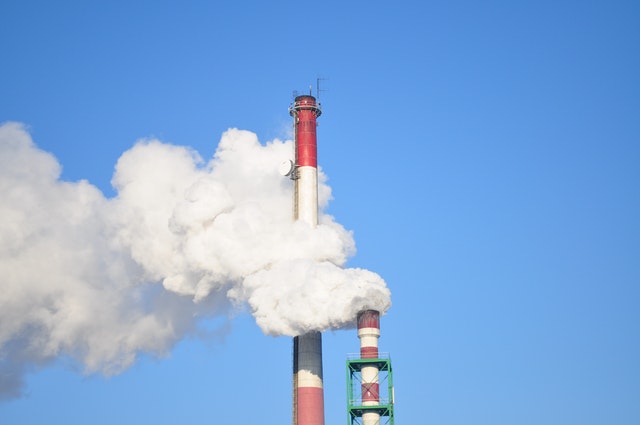
For decades, people have treated carbon dioxide (CO₂) as a problem to be reduced, stored and captured.
CO₂ is one of the greenhouse gases driving climate change, and industries worldwide are under increasing pressure to reduce their emissions.
But there is another way to look at this molecule. What if some of the carbon dioxide we currently regard as waste could become a resource?
Carbon is a fundamental building block of modern life and industry.
Fuels, plastics, pharmaceuticals, cosmetics and countless other products depend on carbon, most of which currently comes from fossil resources such as oil and natural gas.
Instead of continuously extracting new fossil carbon, researchers and industries are exploring whether they can capture carbon already present in CO₂ and return it to the production cycle.
This idea lies at the heart of Carbon Capture and Utilisation (CCU)—an approach that employs methods to convert carbon dioxide into a feedstock for valuable products.
From Greenhouse Gas to Resource
Carbon dioxide is generated through combustion and the degradation of organic matter.
Industrial activities produce it, from cement manufacturing and steel production to breweries, biogas plants, and waste incineration.
Transportation and vehicular emissions are another source of carbon dioxide, where a typical passenger vehicle emits about 4.6 metric tons of CO₂ per year.
These concentrated sources, known as point sources, offer opportunities to capture CO₂ before it enters the atmosphere.
Alternatively, the Direct Air Capture method can extract carbon dioxide directly from the atmosphere.
But capturing carbon is only the beginning. CO₂ is a chemically stable, low-energy molecule.
It does not readily react with other substances, so it often requires considerable energy and suitable catalysts to activate it.
However, if fossil energy powers the carbon dioxide transformation, much of the intended climate benefit can disappear.
Therefore, converting carbon dioxide into a resource makes the most sense when paired with renewable electricity.
Once captured and purified, CO₂ can follow several conversion pathways — thermochemical, electrochemical or biological — depending on the desired end product.
Carbon Capture and Utilisation: Provides A Myriad of Possibilities
Fuels from Captured Carbon
CO₂ can be combined with hydrogen to produce methanol, which can subsequently be converted into hydrocarbons in the diesel and kerosene range.
Methanol can serve as an intermediate for producing Sustainable Aviation Fuel, providing a potential alternative carbon source for aviation fuels.
This opportunity is particularly significant for hard-to-electrify sectors such as aviation.
A Swiss startup, Metafuels, has launched a pilot plant that converts renewable methanol, made from green hydrogen and captured carbon dioxide, into synthetic jet fuel.
Chemicals and Plastics
CO₂ can also become a building block for chemical production.
Thermochemical, electrochemical and biological processes can produce substances such as methanol, formate, carbon monoxide and other chemical intermediates.
These basic products can then enter further production chains to create more complex and valuable chemicals.
The plastics industry offers another promising application. Captured CO₂ can replace a portion of fossil feedstock in producing materials such as polycarbonates, polyols, and polyurethane-related products.
Covestro, a German polymer manufacturer, has developed processes that use captured CO₂ as an alternative carbon source, reducing dependence on crude oil and natural gas.
Building With Captured Carbon
Cement production generates substantial CO₂, including emissions from calcining limestone—a chemical reaction that cannot simply be eliminated by switching to renewable energy.
This makes cement an important candidate for carbon capture and utilisation. Through mineralisation, captured CO₂ can react with calcium- or magnesium-containing materials to form stable carbonates.
These can be incorporated into construction materials, keeping the carbon locked within them.
CO₂ can also be injected into fresh concrete, where it reacts with calcium and becomes mineralised as calcium carbonate.
In some applications, this process can reduce the amount of cement required while incorporating captured carbon into the final product.
Carbon Craft, an Indian startup, converts industrial carbon emissions, soot, and construction waste to make architectural products such as carbon tiles and bricks.
Another Indian startup, TraceXero Technologies, captures CO₂ from sources including cement manufacturing and converts it into high-grade graphite, carbon nanotubes, graphene, and pure oxygen.
Carbonated beverages
Another innovative application of carbon capture and utilisation is carbonated beverages.
The captured carbon is purified, liquefied and then injected into water, soft drinks, or sparkling water under high pressure and chilling conditions to create the fizz.
Companies like CarbonQuest and Earthly Labs are using captured carbon dioxide to carbonate beverages, replacing traditional industrial gas sources.
The Challenges Behind the Promise
Despite its potential, the biggest challenge remains energy.
CO₂ is already a highly oxidised and chemically stable molecule, so converting it back into fuels, chemicals, or other carbon-based products requires significant energy.
If that energy comes from carbon-intensive sources, the conversion process could undermine the very environmental benefits carbon capture and utilisation is intended to deliver.
Furthermore, energy requirements also directly affect the cost of the materials and products made with captured carbon.
Higher costs of CO₂-derived products will make them more expensive than their fossil-based counterparts, making it difficult for them to compete in established markets without technological improvements, supportive policies or greater access to low-cost renewable energy.
However, even when the technology and economics begin to align, infrastructure remains a critical piece of the puzzle.
Captured CO₂ must be transported from emission sources to facilities where it can be converted, requiring investment in transport networks, industrial clusters and supporting infrastructure.
At the same time, regulatory frameworks will need to determine how CO₂-derived products are certified, accounted for and recognised across markets.
Wrapping Up
Carbon dioxide has traditionally been regarded as the final product of a carbon-intensive economy — something to be released into the atmosphere.
The good news is that with the right technologies and conditions, CO₂ could instead become an input to that economy.
Carbon Capture and Utilisation offers a possibility: bringing captured carbon back into productive use and, where feasible, reducing the need for new fossil carbon.
The transition, however, will depend on more than the ability to convert carbon dioxide into products.
The environmental value of each application will be determined by the source of the carbon, the energy required for conversion, the fossil resources it can replace and the length of time the carbon remains within the resulting product.
These factors will ultimately determine whether carbon dioxide utilisation can deliver meaningful climate benefits or simply create another pathway for carbon consumption.
Realising this potential will require technologies that are efficient, economically viable and genuinely capable of reducing environmental impact.
If those conditions can be met, CO₂ utilisation could become more than a way of managing emissions.
Carbon capture and utilisation could help reshape how modern industry sources, uses and ultimately accounts for one of its most fundamental resources: carbon.







Add comment