

 changeadmin
Every winter, a thick, choking haze descends upon Delhi, turning its vibrant skyline into a blurred silhouette.
Historical landmarks like India Gate, the Red Fort and Akshardham Temple, which are bustling on regular days, gasp for breath in winter months as the Air Quality Index (AQI) swings from alarming to hazardous.
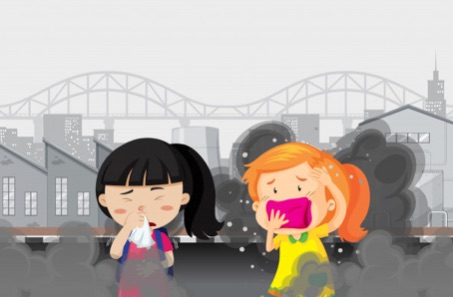
The crisp morning air that should invigorate instead stings with haze, smoke and dust. Beneath the golden sun, schools shut their doors, flights are delayed, and residents wear masks not out of pandemic fear, but out of sheer necessity.
From stubble burning in neighbouring states to unchecked construction and relentless vehicular emissions, India’s capital’s air has become a toxic cocktail of negligence and climatic misfortune.
Yet, amid this despair, efforts are rising, from green initiatives to citizen-led clean-air movements, each striving to reclaim lost blue skies. The air pollution in Delhi is no longer just an environmental concern; it is a test of conscience and a call to urgent, sustainable action.
Behind the Veil of Smog – Reason behind Air Pollution in Delhi
Delhi’s worsening air quality results from intertwined urban, industrial, and regional forces that peak during the post-monsoon and winter months.
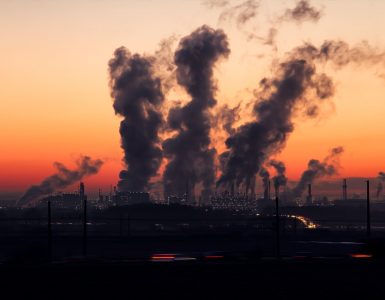
Rapid urbanisation and population growth have turned the city into a dense maze of vehicles, construction sites, and factories, all releasing delicate particulate matter that lingers due to low wind speeds and temperature inversions.
The surrounding plains add to the problem through large-scale stubble burning on the agricultural lands, injecting smoke that mixes with urban emissions to form a toxic haze.
This combination of local and transboundary pollutants traps the capital under a grey shroud, pushing Delhi’s AQI into the “severe” category year after year.
The crisis stems from cumulative neglect—weak enforcement, unplanned growth, and seasonal weather dynamics that turn pollution into a recurring environmental emergency.
The Dust That Never Settles

Among all contributors, dust remains Delhi’s most pervasive yet underestimated pollutant. The city’s unpaved roads, sprawling under-construction zones, and open material storage generate both coarse and fine particles.
As vehicles move, they resuspend this dust, keeping pollution levels high even on low-traffic days. Construction dust, in particular, contains cement, silica, and metallic fragments that irritate the lungs and eyes, worsening respiratory ailments.
Addressing it demands more than short-term sprinkling or token bans. It requires systematic action, paving roadsides, enforcing dust-control norms, recycling debris, and maintaining cleaner streets.
The Government’s Plan of Action
In response to the recurring crisis, both the national and Delhi governments have launched a series of coordinated measures.
The Graded Response Action Plan (GRAP) serves as the city’s core framework, activating specific controls based on pollution severity—ranging from curbs on construction and restrictions on heavy vehicles to suspension of diesel generator use during severe phases.
Complementing GRAP, the Commission for Air Quality Management (CAQM) enforces region-wide strategies, including regulating industrial emissions, promoting cleaner fuels, and working with neighbouring states to reduce stubble burning.
To tackle dust and vehicular pollution, authorities have expanded mechanised road sweeping, deployed anti-smog guns, and encouraged the use of electric vehicles through subsidies and infrastructure upgrades.
Tree plantation drives, cloud-seeding trials, and stricter emission checks are also underway. Staggered office hours and remote work options help ease traffic congestion on high-pollution days.
These sustained interventions reflect a growing governmental commitment to shift from reactive responses to preventive, science-based air management.
While challenges persist, these multi-sectoral efforts mark a decisive step toward a cleaner and healthier Delhi.
Right to Breath
Delhi’s struggle with toxic air is no longer a seasonal nuisance but a defining challenge of urban survival. The impact of air pollution in Delhi is not just felt on people’s health; it also causes widespread social and economic damage.
Each winter is a stark reminder that clean air is not a privilege; it is a fundamental right that must be earned through awareness, innovation, and shared responsibility.
The problem runs deep, shaped by a complex web of human activity and natural constraints. Yet, within this challenge lies an opportunity for transformation.
The ongoing efforts, dust control drives, cleaner fuels, vehicular restrictions, and emergency plans—show that progress is possible when science, governance, and civic action converge.
Actual change, however, depends on consistency and cooperation. Government policies must align seamlessly with civic discipline and regional collaboration.
When citizens adopt sustainable habits—using public transport, reducing waste burning, or supporting green initiatives—they strengthen the system from within.
Pollution knows no borders, and neither should solutions; the response must extend across states, sectors, and communities. The crisis has also awakened a new generation to environmental responsibility.
School students discussing AQI in classrooms, startups developing solutions from agricultural waste, and local groups planting trees all reflect a growing shift from despair to participation. If this spirit continues, Delhi can transform from a cautionary tale into a model of urban resilience.
Ultimately, the city’s future depends on turning reaction into prevention—where sustainable urban planning, clean technologies, and informed citizens work together for breathable skies.
The road ahead is demanding, but every action matters. Delhi now stands at a crossroads—either endure the haze year after year or rise collectively to reclaim the blue horizon that once defined the nation’s capital.





Add comment