

 changeadmin
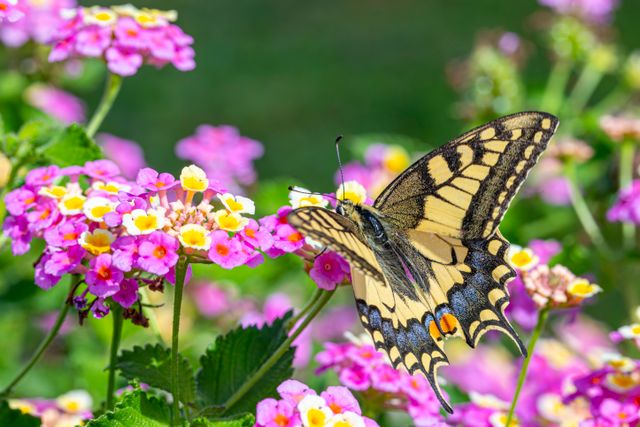
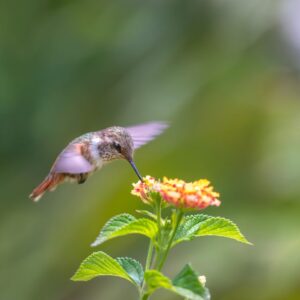
Fluttering butterflies, buzzing bees and loitering birds over colourful flowers present a beautiful sight. However, beneath this façade lies one of the world’s most aggressive invasive plant species.
At first glance, lantana appears to be an attractive flowering shrub; its vibrant clusters of orange, yellow, pink, and purple flowers brighten roadsides, gardens, and forest edges, making it a popular ornamental plant.
Native to Central and South America, Lantana camara has spread across tropical and subtropical regions, transforming ecosystems, threatening biodiversity and disrupting rural livelihoods.
Botanical Background
Lantana camara belongs to the Verbenaceae family and is a perennial shrub renowned for its adaptability.
Growing up to three metres tall, it has square stems, aromatic serrated leaves and clusters of flowers that change colour as they mature.
These flowers eventually produce fleshy berries that turn from green to deep purple-black when ripe.
A single mature plant can produce thousands of seeds annually, many of which remain viable in the soil for years.
This long-lasting seed bank, coupled with its ability to thrive in poor soils and withstand drought, makes the species exceptionally difficult to eradicate.
Reasons that Make Invasive Lantana an Ecological Threat
The Lantana owes its invasive behaviour to a combination of biological advantages that allow it to establish, spread and dominate landscapes with remarkable efficiency.
Rapid Seed Dispersal
Birds, monkeys and other wildlife consume lantana berries and disperse the seeds over long distances through their droppings. Ants further aid local dispersal by carrying seeds into nutrient-rich soils.
Because the seeds remain dormant yet viable for several years, fresh infestations can emerge long after the original plants have been removed.
Chemical Suppression of Native Vegetation
Lantana releases allelopathic compounds into the soil that inhibit the germination and growth of neighbouring plants.
These chemicals also disrupt beneficial soil microorganisms, reducing the ability of native grasses, shrubs and tree seedlings to establish and compete.
Formation of Dense Thickets
As the shrub matures, it develops dense, thorny thickets that block sunlight from reaching the forest floor.
The lack of light prevents native vegetation from regenerating, gradually replacing diverse plant communities with lantana-dominated landscapes.
Thriving After Disturbance
Unlike many native species, lantana flourishes after disturbances such as fires and land clearing.
Its dry, woody stems increase wildfire intensity, while its dormant seeds germinate rapidly after fire, enabling the plant to reclaim affected areas.
Rising temperatures and prolonged dry spells associated with climate change are further accelerating its expansion.
A Toxic Threat to Humans and Animals
Every part of the plant contains toxic compounds known as lantadenes, with the unripe green berries posing the greatest risk.
Livestock such as cattle, goats and horses can suffer liver damage, photosensitisation and even death after ingestion, while domestic animals including dogs and cats are also susceptible.
For humans, especially young children, the berries can easily be mistaken for edible fruits.
Contact with the plant may also cause skin irritation or allergic reactions in sensitive individuals. As no specific antidote exists, preventing exposure remains the most effective safeguard.
Loss of Biodiversity and Wildlife Habitat
Dense lantana infestations suppress native vegetation, reducing the diversity of grasses, shrubs and young trees that support healthy ecosystems.
As natural food sources decline, herbivores are forced to forage beyond forest boundaries, often entering agricultural fields. Predators frequently follow, increasing the likelihood of human-wildlife conflict.
Thick invasive lantana growth also reduces visibility, making encounters with elephants and bears more dangerous for forest-dependent communities.
Research indicates that invasive lantana is degrading elephant habitats across Asia by competing with native vegetation that these large animals depend on for food, movement, and water access.
In India, the British introduced it in the 1800s as a decorative plant; it now occupies millions of hectares of forests and degraded landscapes, including more than 40 per cent of India’s tiger range.
Disruption of Pollinators and Soil Health
Although lantana attracts generalist pollinators, it gradually replaces native flowering plants that specialist bees and butterflies depend upon.
At the same time, prolonged infestations alter soil chemistry, reduce earthworm populations and disturb microbial communities essential for nutrient cycling.
These changes can persist even after the shrub has been removed, slowing ecosystem recovery.
Economic and Livelihood Impacts
The invasive lantana carries high socioeconomic costs. Reduced grazing land and livestock poisoning affect pastoral communities, while crop losses increase as displaced wildlife move into farmland.
Dense thickets also restrict access to forests, limiting the collection of firewood, edible plants and other non-timber forest products that many indigenous communities depend upon for their livelihoods.
Strategies that Deliver Results
Although complete eradication is unlikely, integrated management can effectively contain invasive lantana and restore overwhelmed landscapes.
Early Detection and Manual Removal
Tackle small infestations early by removing the entire root system, as even small root fragments can regenerate. Collect and dispose of berries and seeds safely to prevent further spread.
Targeted Chemical Control
For extensive infestations, cut-stump herbicide applications and stem injection techniques offer more effective control than indiscriminate spraying while minimising damage to surrounding vegetation.
Biological Control and Ecological Restoration
Researchers are exploring specialised leaf-feeding insects as biological control agents, although these methods require careful scientific monitoring.
Long-term success depends on restoring native grasses, shrubs and trees immediately after lantana removal to prevent reinfestation.
What NOT to Do
Never compost lantana, as seeds and stem fragments can survive and establish new infestations. Avoid leaving cut branches on the ground, where they may regenerate under favourable conditions.
Consistent monitoring, complete root removal and safe disposal of plant material are essential for long-term control.
Wrapping Up
Invasive lantana demonstrates how an ornamental introduction can evolve into a serious ecological challenge, spreading aggressively in our forests, grasslands, and wetlands.
Its ability to spread rapidly, suppress native vegetation, alter ecosystems and affect both wildlife and human livelihoods has made it one of the world’s most destructive invasive plants.
While eliminating lantana entirely may not be feasible, its impact can be significantly reduced through early intervention, integrated management and ecological restoration.
Protecting native ecosystems today will not only preserve biodiversity but also strengthen the resilience of forests and the communities that depend on them for generations to come.




Add comment