

 changeadmin
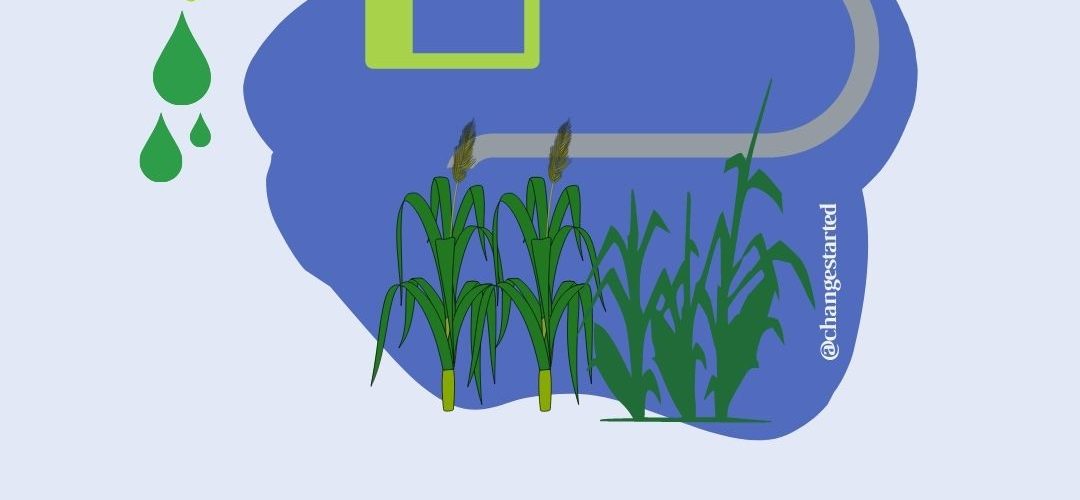
From our childhood, we have either relished the highly nutritious juice from sugarcane or have used the sugar extracts in our delicacies. Never knew the same sugarcane can be processed to extract fuel to drive our vehicles.
Ethanol: What Is It?
Ethanol is a grain alcohol, or plant mass formula derived from the natural sugars found in bio mass, or vegetation like corn, wheat, barley, potatoes, and of course sugar cane. This is then processed to create a renewable form of fuel or fuel additive.
Ethanol is a colorless, flammable, oxygenated, hydrocarbon liquid. Ethanol is used in a wide range of products such as biochemicals, bioplastics, pharmaceuticals, cosmetics, industrial products (solvents, paint), and, increasingly, as a biofuel.
Ethanol Utilization
Personal Care: The personal care products industry is one of the largest users of industrial ethanol or ethyl alcohol. Ethanol is widely used in many deodorants, lotions, hand sanitizers, soaps, and shampoos.
Ethanol as Fuel: Pure 100% ethanol is not generally used as a motor fuel; Instead, a percentage of ethanol is combined with unleaded gasoline (like petrol/diesel). This is beneficial because of ethanol :
- decrease the fuel cost
- increase the fuel’s octane rating
- decreases gasoline’s harmful emissions
Various studies conducted all over the world show that ethanol blending in petrol at different ratios has remarkably reduced the emission of GHG from vehicles
Difference between Ethanol and bioethanol
Ethanol is obtained chemically whereas Bioethanol is obtained from biological matter or plant sources. Ethanol and bioethanol have the same chemical composition.
Advantages of Bioethanol as fuel
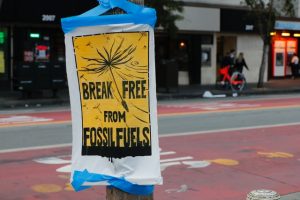
There are a number of benefits of using bioethanol as fuel, for beginners, it is a renewable resource, fossil fuels used to make gasoline is non-renewable, so one day they will run out.
Another good reason for using bioethanol as fuel is the reduction of pollution. Ethanol fuel reduces the emissions from vehicles and other places where it is used. Any steps that we can make towards reducing pollution are always positive.
Its production opens new markets for farmers and boosts rural economies, and its use offers consumers a convenient way to reduce harmful emissions.
The governments are increasingly promoting Ethanol
India:
India grows sugarcane abundantly, it is in fact the second-largest producer in the world after Brazil. Thus promoting the Indian government to look at Ethanol as a reliable alternative to fossil fuels.
The country has already started to blend Ethanol with petrol. The Indian government introduced the National Biofuel Policy in 2018, whereby the plan is to achieve ethanol with petrol blend levels of 10 percent by 2022 and 20 percent by 2030.
Steps have been taken in that direction, and oil marketing companies have already started placing orders for 2nd generation ethanol plants.
The Indian economy is forecasted to grow to $7 trillion by 2030. Therefore, a target to create an ethanol economy is of enormous value and will boost its domestic economy.
Brazil:
Brazil is the largest producer of sugar cane, the country started to produce Ethanol as fuel in the 1970s. With leaps and bounds, the country has made significant progress toward bio-fuel. In the early 2000s, the government began promoting vehicles that could run both on petrol & ethanol. About one-third of all vehicles on Brazilian roads run on Ethanol.
EU:
Renewable ethanol is expected to play an important role in the realization of the EU’s energy and climate ambitions by 2030.
We had a very enlightening conversation with Kishan Karunakaran, the CEO of Buyofuel. The company is a new-age technology startup engaged in creating an ecosystem for the biofuel market. You can read more about the company, biofuels and his thoughts on the potential in the Indian market here.
A glass of sugarcane juice is packed with nutrients and is an awesome alternative for aerated drinks.
Similarly, Ethanol produced from sugarcane and other resources is being considered globally as one of the most prominent and possible substitutes for fossil fuel.





Add comment