

 changeadmin
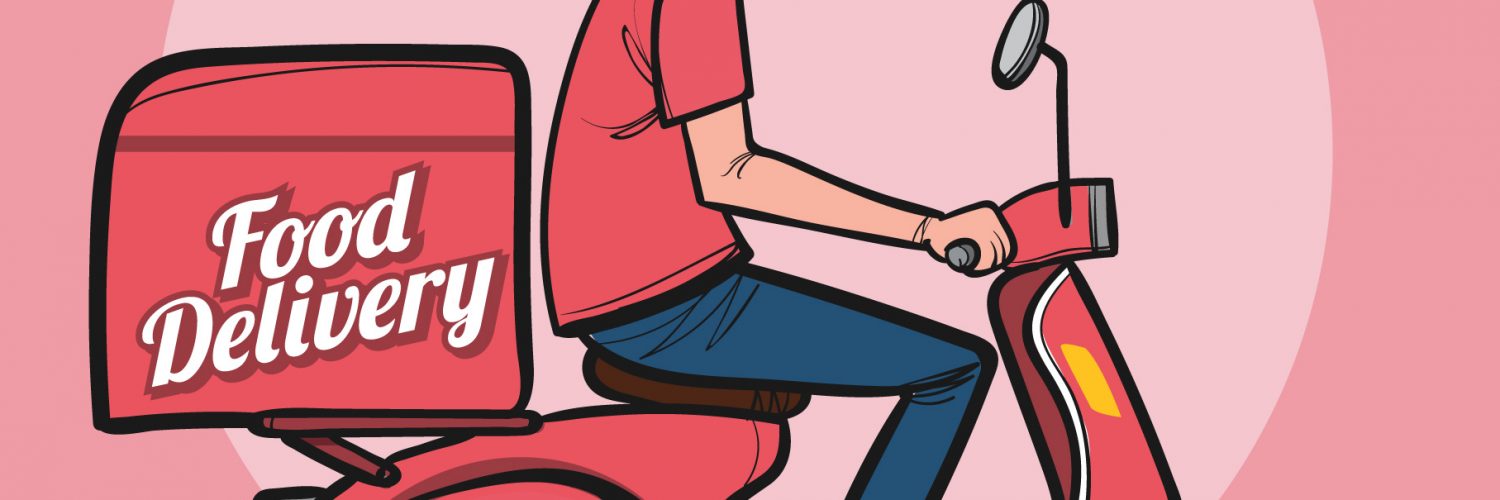
India’s leading food-delivery platform, Zomato, has taken another step toward reducing plastic packaging in restaurant deliveries by introducing a ‘Low plastic packaging’ filter to sort outlets.
The ‘Low plastic packaging’ filter is available under the Trust Markers category on the Zomato food delivery app. Once the consumer selects this option, it sorts restaurants that offer food in eco-friendly options.
The food delivery app offers numerous filters that let consumers sort restaurants by criteria such as ratings, price, and offers. The ‘Trust Markers’ filter has options like ‘Pure Veg’, ‘No packaging charges’, ‘On-time preparation’, ‘Last 100 orders without complaints’, and ‘Frequently reordered’.
With this new filter, eco-conscious consumers can order from restaurants that use minimal plastic in delivery to reduce waste and pollution. In addition, the shift protects ecosystems, cuts health risks from toxic chemicals, and supports circular economy initiatives.
Plastic packaging from food delivery contributes significantly to ocean and landfill pollution, harming marine life such as turtles and fish while leaching chemicals into soil and water.
Additionally, many plastic containers contain PFAS, BPA, and phthalates linked to obesity, infertility, heart disease, and cancer risks from food contamination. Removing them lowers human exposure to these endocrine disruptors during meals.

Restaurants offering food in eco-packaging not only help reduce waste but also increase visibility for adopters, driving customer loyalty among environmentally conscious consumers.
The ‘Low plastic packaging’ filter initiative is another significant step to reduce plastic pollution, adopted by a food delivery platform in under 1 year. In December 2024, Zomato launched the Plastic-Free Future Program to honour restaurant partners adopting sustainable packaging for food deliveries.
Earlier, Zomato had also introduced a feature that allowed consumers to opt out of receiving cutlery with food deliveries. Just before placing the order, customers could opt out of cutlery, which is often made of plastic.
Returning to the Plastic-Free Future Program initiative, participating restaurants could feature prominent banners on their menu pages and in order summaries in the Zomato app to attract eco-conscious customers.
The program encourages restaurants to switch from plastic to solutions such as edible cutlery, plant-based barrier coatings, and agri-waste carry bags. It aims to narrow the cost and availability gap relative to traditional plastics by increasing demand and investment.
Restaurants can procure their packaging suited to the cuisines they offer, such as Indian and continental, which require heat-resistant, leak-proof options.
Several Indian startups, such as Ecoware, Bambrew, and Chuk, are providing affordable green packaging options from agricultural waste, sugarcane bagasse, cornstarch bioplastics, bamboo, and mushrooms. Read more.
In fact, Bambrew won the Packathon Challenge 2024, a competition organised by Zomato in collaboration with Startup India to encourage innovation in sustainable packaging for food delivery orders.
Plastic waste generated by food delivery companies is a global issue; while steps are being taken, it remains significant. Through initiatives such as the Plastic-Free Future Programme and the ‘Low plastic packaging’ filter, Zomato is demonstrating that a plastic-free future is possible.
You might also like to read.
Can India Address the Food Waste Problem Using the Too Good To Go Model? Read More.



Add comment