

 changeadmin
The revised Solid Waste Management Rules come into effect from today, i.e. April 1, 2026.
On 27th January 2026, the Ministry of Environment, Forest and Climate Change, Government of India, notified the Solid Waste Management Rules, 2026 in the Official Gazette, superseding the Solid Waste Management Rules, 2016.
The revised rules integrate the principles of circular economy and extended producer responsibility, with a specific focus on efficient waste segregation and management.
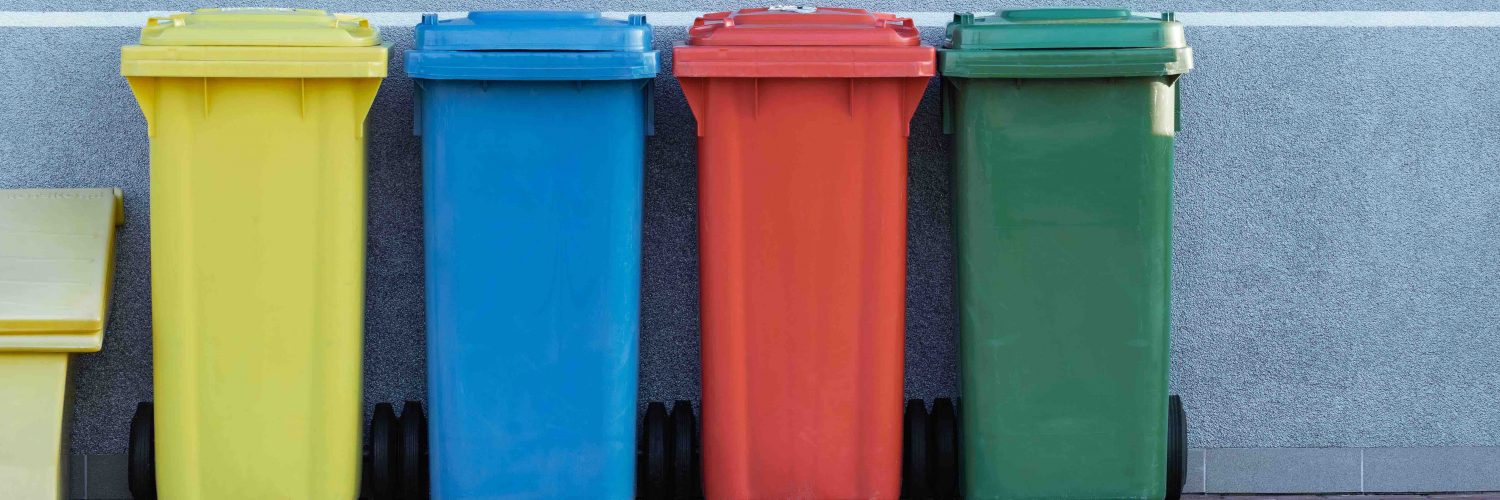
The Solid Waste Management Rules, 2026, mandate four-stream segregation of solid waste at source into wet waste, dry waste, sanitary waste and special care waste.
| Waste Type | Examples of Waste | Rules related to waste processing |
|---|---|---|
| Wet waste | kitchen waste, vegetables, meat, flowers, etc | Composted or processed through biomethanation at the nearest facility. |
| Dry waste | plastic, paper, metal, glass, wood and rubber, etc. | Transported to Material Recovery Facilities for sorting and recycling. |
| Sanitary waste | used diapers, sanitary towels, tampons, and condoms | Securely wrapped and stored separately. |
| Special care waste | paint cans, bulbs, mercury thermometers, medicines, etc. | Collected by authorised agencies or deposited at designated centres. |
The rules prescribe a clear definition of bulk waste generators who have a mandate to fulfil the Extended Bulk Waste Generator Responsibility, in order to ensure that the waste generated is collected, transported and processed in an environmentally sound manner.
The rules also operationalise the online tracking and monitoring of all stages of solid waste management through the Centralised Online Portal, including collection, transportation, processing and disposal.

The rules prescribe specific roles and responsibilities for urban and rural local bodies, State/UT Governments, and the concerned Ministries at the Government of India.
The rules prescribe an increase in the fuel substitution rate from the current 5 % to 15 % over a six-year period for industrial units, including cement plants and waste-to-energy plants, for the use of Refuse Derived Fuel (RDF).
To facilitate the faster allocation of land for solid waste processing and disposal facilities, graded development criteria have been prescribed in the rules.
Further, the solid waste processing and disposal facilities have been mandated to submit reports online. Waste processing facilities have also been subjected to audit under the rules.
The rules also mandate the development and implementation of a time-bound action plan to remediate legacy waste and further strengthen restrictions on the landfilling of solid waste.
Special provisions for solid waste management in hilly areas and islands have also been included. Provision for the levy of environmental compensation based on the ‘Polluter Pays’ principle has been provided.
The rules prescribe the constitution of Central and State-level Committees for their effective implementation. The Central Pollution Control Board has constituted the Central Implementation Committee for the effective implementation of the rules.
Read more details about India’s Solid Waste Management Rules. Click here




Add comment